Efficiency isn't a buzzword—it's the backbone of sustainable tech in 2025. With global temperatures climbing and energy grids straining under AI data centers and EV booms, cooling solutions must do more with less. Enter booster and axial fans: unsung heroes that amplify airflow, slash power use, and adapt to everything from car cabins to commercial dryers. Google's trending searches reveal a 40% spike in "energy-efficient cooling fans," fueled by smart home integrations and eco-regulations. In this guide, we'll unpack their mechanics, spotlight 2025 breakthroughs, and share real-world hacks to supercharge your systems. If you're tired of wasteful whirring, read on to discover how these fans are turning heat into handled.
Decoding the Mechanics: Why Booster Fans Outpace Traditional Cooling
At their core, booster fans act like turbochargers for air movement, injecting targeted bursts to enhance existing systems. Unlike passive radiators, they actively propel air through ducts or vents, overcoming resistance that chokes standard setups. In a car AC, for instance, a well-placed booster can redistribute chilled air evenly, cutting hot spots and boosting perceived cooling by 15-20%. This matters in 2025's hybrid vehicles, where cabin comfort directly impacts range—inefficient ACs drain batteries faster than a smartphone on TikTok.
Axial fans complement this by providing broad, straight-line flow, ideal for enclosures like PC cases or server racks. Their propeller-style blades excel in volume over pressure, making them staples in electronics where heat builds in layers. The magic? Variable speed controls that sync with sensors, idling at 20% during low loads to sip just watts, not kilowatts. Recent market reports peg brushless DC variants as the fastest growers, thanks to their 90% efficiency ratings—double that of older AC models.
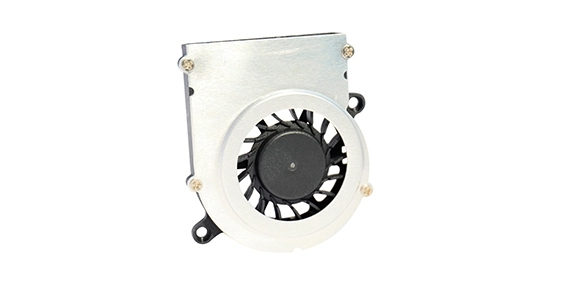
Consider industrial apps: A centrifugal flow fan in a dryer setup redirects air radially, building pressure for thorough drying without energy spikes. It's why commercial operations are swapping out relics for these dynamos, reporting 25% utility drops. The key takeaway? Efficiency stems from synergy—pair a booster with an axial for layered cooling that feels effortless.
2025 Breakthroughs: Materials and Tech Pushing Boundaries
Innovation is where 2025 shines brightest for these fans. Graphene-infused blades are lightening loads by 40%, allowing higher speeds with less inertia and noise. Ceramic bearings, once lab curiosities, now promise 100,000-hour lifespans, shrugging off dust and heat that doom metal ones. These aren't gimmicks; they're responses to user demands for "set-it-and-forget-it" reliability in portable and fixed setups alike.
Smart connectivity steals the show. IoT-enabled boosters now link to apps, letting you tweak curves from your phone—crank for a post-workout blast or ease for overnight drying. In EVs, this means predictive cooling: Fans preempt surges from regen braking, maintaining battery sweet spots without overkill. Axial designs are going modular too, with magnetic mounts for tool-free swaps, perfect for DIYers tweaking 120mm setups.
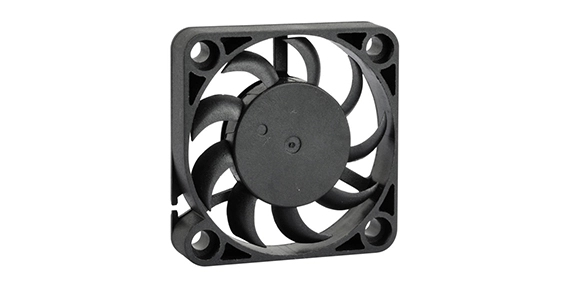
Sustainability gets a nod with recyclable housings and low-VOC coatings, aligning with EU directives hitting shelves this year. For PC builders, the 40x40x10 format is evolving with IP67 seals, fending off spills in humid garages. And let's not forget overclocking: Enhanced axial flows in CPU towers handle 300W loads at 70% fan speed, unlocking frames without frying silicon.
These advances aren't isolated; they're ecosystem plays. Tower fans with built-in boosters dominate home reviews, oscillating quietly to cover 500 sq ft on 30W. The trend? Convergence—fans that cool, purify, and even humidify, all while sipping power like a miser.
Real-World Strategies: Optimizing Your Cooling Arsenal for Peak Performance
Ready to upgrade? Begin with audits: Use anemometers or apps to measure baseline CFM, then layer in boosters where bottlenecks lurk. In vehicles, retrofit a 24v 40mm silent fan behind the glovebox for whisper-quiet augmentation—drivers notice crisper air without revving the compressor.
For homes, target laundry rooms with axial boosters that vent moisture efficiently, preventing mold while trimming dry times by half. Pro tip: Angle blades 15 degrees for laminar flow, reducing drag. In data-heavy offices, daisy-chain EC axials across racks for zoned cooling, dropping collective temps 8°C and extending SSD lives.
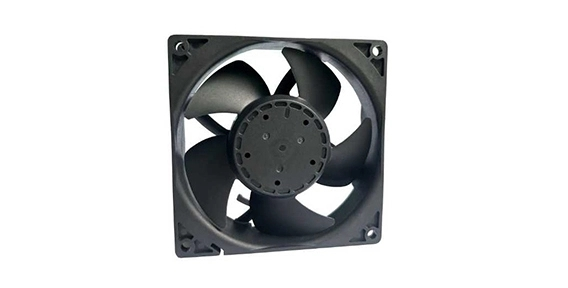
Budget-wise, start small: A $20 booster kit yields ROI in months via energy savings. Maintenance? Wipe blades monthly and balance rotors yearly to avert vibes. For pros, bulk from reliable sources ensures consistency—our 120mm fan 120v lineup offers scalable options.
Ultimately, these fans embody 2025's ethos: Powerful yet parsimonious. They don't just cool; they empower smarter living, from greener garages to silent servers. Explore our full range for the fit that fuels your flow.
Related Articles
 EN
EN 
 +
+
 +
+
 +
+